Tarot cannot guarantee who you will love or what another person will do. Many people use tarot as a spiritual or reflective practice to explore relationship questions, feelings, choices, and next steps. Its value is in the questions and reflection, not a promise of a fixed romantic future.
Looking for guidance about a relationship?
Explore a private love ritual only if it fits your beliefs and budget, and review its current details. If you would rather discuss a question, compare written and live readings through Spells & Psychics.
What tarot may help you explore
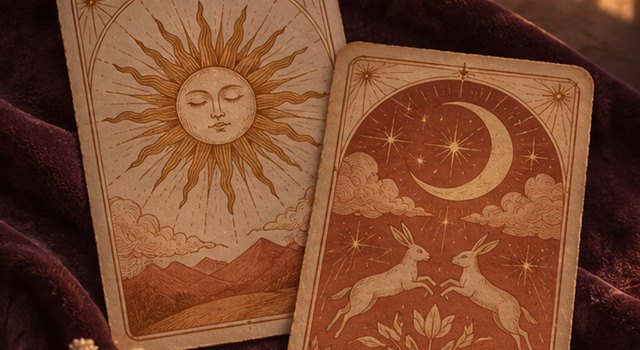
A reader interprets card imagery in light of your question, other cards, and the context you share. For a relationship question, that can help you name a concern, consider another perspective, or think about a choice you control. The same card may be read differently by different readers and traditions.
The Metropolitan Museum of Art's overview of tarot history explains that early decks were used for card games before divination became a later association. Meanings are shaped by context and tradition, not one universal set of facts.
Ask a question that leaves room for choice
Instead of “Will they definitely marry me?” consider “What should I understand about how we communicate?” or “What can I do to make a clear decision?” Questions about your own actions do not require claiming access to another person's private thoughts.
Tarot cannot confirm fidelity, diagnose a partner, or guarantee an ex will return. If someone has set a no-contact boundary, respect it regardless of what a card seems to suggest. For timing questions, read our guide to tarot and soulmate timing.
Try a three-card relationship spread
- What am I feeling? Name your present concern.
- What should I consider? Reflect on an assumption, need, or boundary.
- What is one next step I can choose? Consider an action that remains yours.
Write the question before drawing, note your first reaction, and check meanings in the deck guide you use. Avoid drawing repeatedly until you get the answer you want. See our three-card tarot spread guide.
Choose a reader carefully
Check format, price, turnaround time, privacy terms, and what is included. Be wary of anyone who guarantees a result, asks for repeated payments to prevent harm, or pressures you to decide immediately. A reading should leave you free to accept or set aside the interpretation.
When a reading brings up a difficult theme
A card that feels challenging is not a verdict that a relationship is doomed. Pause and ask what the image brings to mind, then compare that thought with facts and conversations. If the reading raises a concern about safety, control, or a boundary, take the concern seriously in real life rather than looking for more cards to override it. Tarot can help you frame a question; support from trusted people and your own observations can help you decide what to do.
Belinda's perspective
I treat tarot as a symbolic way to reflect, not proof of what another person thinks or what must happen. I want a reading to help someone return to their own judgement, notice boundaries, and consider a next step they feel comfortable choosing.
Common questions
Can tarot tell me when I will fall in love?
No reading can reliably confirm an exact date. Timing interpretations vary and should not put life on hold.
Does the Lovers card always mean romance?
No. Readers may interpret it as a prompt about values or a choice, depending on the question and surrounding cards.
Can I read tarot for myself?
Many people use a deck for reflection. Keep your question clear and use real-world information for important decisions.
Read the terms for private love rituals or compare written and live guidance.