A tarot reader is someone who interprets cards using a deck, a spread, and a chosen tradition or personal approach. Readers differ: some treat tarot as spiritual divination, some use it for reflection, and others combine methods. There is no single reading style or universal credential that tells you what every reader believes. The most useful first step is to understand how a particular reader works and what they promise to provide.
Want to compare a personal reading or relationship service?
Spells & Psychics lists live reading options and reader rates. We Love Spells explains Belinda’s private love rituals for people exploring a separate relationship intention. Review each site’s service details and terms before choosing.
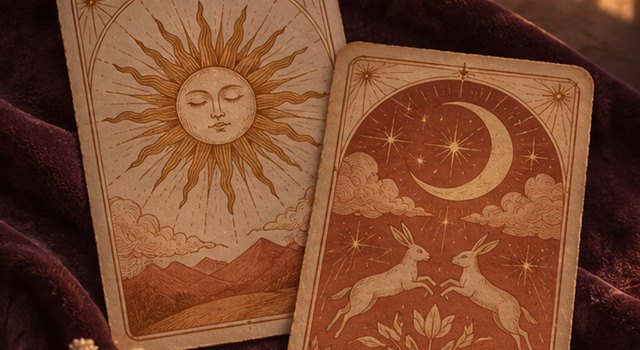
Tarot reader can describe different kinds of practice
Some readers study a particular deck and its guidebook closely; others learn through a teacher, community, or years of personal practice. A reader may explain card imagery through traditional meanings, intuition, spiritual beliefs, storytelling, or a blend of these. A paid reading should make it clear whether it is intended as entertainment, spiritual guidance, reflection, or another service. A reader’s confidence or title cannot guarantee that a prediction will come true.
Tarot’s history also includes more than fortune-telling. The Metropolitan Museum of Art describes early tarot as a fifteenth-century card game and notes that its modern association with fortune-telling became widespread much later. That history is useful context, but it does not dictate how every present-day reader must use a deck. You can read the museum’s overview of tarot’s history and structure.
What a reader may do in a session
A reader may first ask what kind of question you have and explain how the session will work. They might choose a spread, shuffle or ask you to shuffle the cards, then discuss each card in relation to its position. Some readers invite conversation throughout; others prepare a written interpretation and send it later. There is no one required script. Before you pay, check what the actual service includes, how long it lasts, and whether follow-up questions are part of the price.
For relationship questions, a responsible reader can help you reflect on your own hopes, communication, or boundaries. A card cannot establish another person’s private thoughts, consent, or future decision. If a reading raises a concern, compare it with what you can observe and discuss directly. Do not use a prediction to excuse disrespect or to pressure someone to stay in contact.
How to choose a reader thoughtfully
- Read the service description. Look for the format, length, price, delivery time, and what is included.
- Ask about the method. A reader should be able to explain whether they use a particular deck, spread, or spiritual framework.
- Check the boundaries. Notice whether the reader avoids guarantees and leaves decisions to you.
- Review privacy information. Share only what is reasonably needed and understand how your details will be used.
- Set a budget. Decide what you can comfortably spend before booking, including any session minimums or add-ons.
- Trust your comfort level. You can choose another reader or stop if the interaction feels pressuring.
Warning signs worth taking seriously
Be cautious if a reader says you are cursed, predicts certain harm unless you pay for more services, promises a guaranteed reunion, or discourages you from asking a trusted person for advice. A reader should not claim that tarot replaces medical, legal, financial, or mental-health support. The U.S. Federal Trade Commission describes pressure that prevents a person from pausing or checking a claim as a general scam warning sign; its consumer guide to avoiding scams is useful for evaluating high-pressure requests. This is general consumer advice, not a claim that every spiritual service is fraudulent.
What experience and credentials can tell you
Tarot readers may be self-taught, trained by a mentor, or members of a spiritual community. Their study may involve card meanings, history, symbolism, counselling skills, or a particular spiritual tradition. These paths are not identical, and there is no single international tarot qualification that guarantees a reading will be accurate. A certificate can describe a course completed; it cannot prove that a prediction will come true.
Testimonials can tell you how a particular client felt about a session, but they are personal reports rather than independent verification of every prediction. Reviews may help you learn about communication, delivery, and customer service. Read them alongside the provider’s own description and terms instead of treating them as proof of supernatural ability.
When you contact a reader, you can ask what training or experience they want to share, how they interpret the cards, and what kinds of questions they do not answer. A reader who explains their limits calmly is giving you useful information. You should be able to understand the price and the format without revealing intimate details first. If a response is vague, frightening, or designed to make you feel dependent on one person, take time before booking.
The strongest signs of professional care are often practical: clear service descriptions, respectful communication, secure handling of personal information, and a willingness to let clients make their own decisions. Those qualities do not establish a spiritual claim, but they help you judge whether the interaction is likely to feel safe and transparent.
Belinda’s perspective
I believe a reader should explain their approach plainly and respect a client’s right to make their own choices. When I interpret cards, I treat them as a way to explore a question, not as proof that another person will act in a certain way. You should be able to understand what you are buying before you book.
Common questions
Do tarot readers need a license?
Requirements differ by location and service. There is no single global tarot credential that guarantees a reading’s accuracy, so check the provider’s experience, terms, and approach.
Can anyone learn to read tarot?
Many people learn through study and practice. A reader’s own method and the limits they acknowledge matter more than a claim of secret authority.
Should I tell the reader everything first?
You can ask how much context they need. Share only what you feel comfortable sharing, and check the service’s privacy information.
How do I know if a reader is right for me?
Choose someone whose format, price, communication style, and boundaries suit you. You do not owe a reader repeat bookings.
For more preparation tips, see what to expect from a first reading, compare email and live readings, or browse Magic Zodiac reading information.