Take time before you make a payment
Read the full service description, price, and terms before ordering any spiritual service, including one offered by a business you already know. We Love Spells lists Belinda’s ritual details, and Spells & Psychics offers separate reading options. Neither service guarantees that another person will act or feel a certain way.
Searching for a love spell online can make you vulnerable to pressure, especially if you are heartbroken, worried, or hoping for a quick answer. This guide offers practical checks to help you pause before paying. It does not label every spiritual service as a scam, and it does not ask you to give up your beliefs. Its purpose is to help you notice claims or payment requests that deserve a closer look.
The same checks should apply to every business, including one whose practitioner you already follow. A trustworthy decision is based on clear information, a price you can afford, realistic limits, and time to consider. If a page leaves you confused or frightened, step away and ask someone you trust to review it with you.
Red flag 1: A guaranteed result or exact deadline
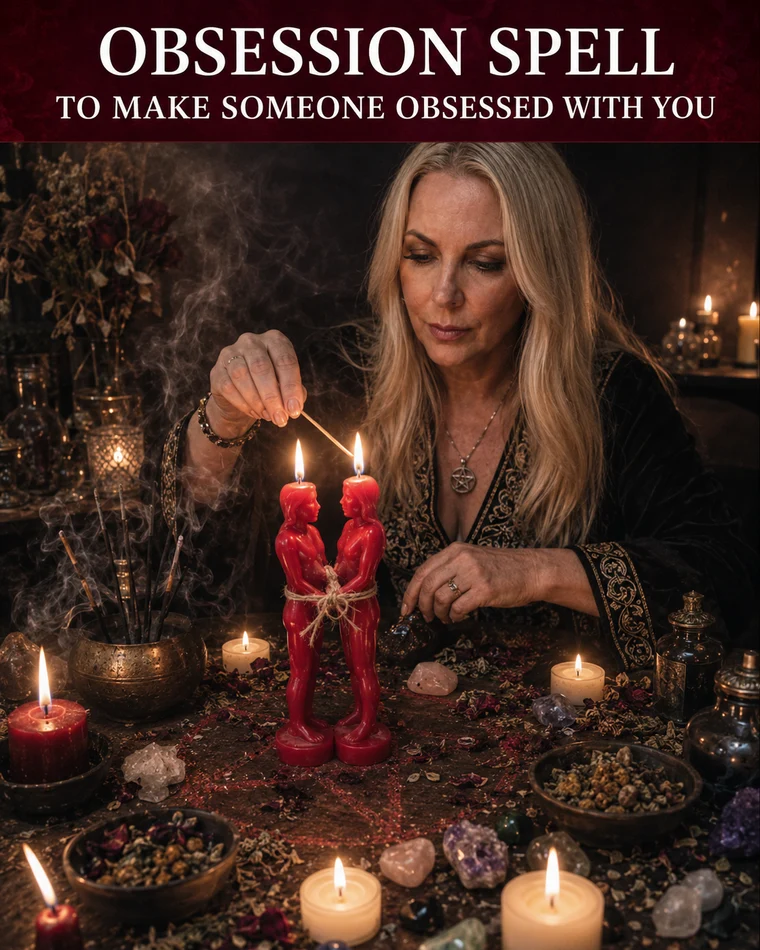
Be cautious if a provider promises that a named person will return, contact you, become obsessed, or commit by a specific date. A spiritual practice may be meaningful to you, but no service can control another person’s feelings or guarantee their future choices. Specific guarantees can make a customer feel that disappointment means they must buy another service.
Ask whether the stated timeline refers to the provider’s preparation and delivery or to the personal outcome you want. A clear service can describe its own process. It cannot honestly guarantee how a relationship will develop. Read the provider’s written terms rather than relying on a verbal promise or a screenshot from a social media account.
Red flag 2: Fear is used to make you pay again
Stop if someone tells you that you are cursed, spiritually blocked, in danger, or responsible for a loved one’s misfortune, and then demands immediate payment to remove the threat. A practitioner may talk about spiritual beliefs, but a frightening diagnosis that only the seller can fix is a reason to pause and seek another perspective. Do not make a rushed purchase because you are scared.
If you already paid for a service, a new charge should come with a clear explanation of what it is and why it is optional or required under the original terms. Do not accept a threat as proof that the extra service is necessary. Save the messages and order details, and discuss the request with someone you trust before sending more money.
Red flag 3: Urgent pressure, secret instructions, or escalating fees
Be wary of messages that say an offer ends immediately, you must not tell anyone, or you need to pay repeatedly for stronger work. A business should give you time to read its terms and ask a question. The Federal Trade Commission’s general scam guidance identifies pressure to act right away as a warning sign and recommends verifying a request through contact details you already trust. It is U.S. consumer advice, not a certification system for spiritual providers.
Watch for a sequence of unexpected messages that raise the amount owed each time. The first price may seem manageable, then another charge appears for an emergency, an ingredient, a curse removal, or a promise of guaranteed success. Compare each request with your original checkout page and order confirmation. If the new fee was not disclosed or you cannot understand it, do not pay until you have clear written information.
Red flag 4: Unusual payment demands or requests for access
Use the payment options shown by the official store and check the checkout address. Do not share your card PIN, password, one-time code, remote-computer access, or bank login. Be careful if a stranger insists that you pay through gift cards, cryptocurrency, a wire transfer, or an unfamiliar payment app and will not explain why. The FTC lists some of these payment demands as common scam warning signs.
If an unexpected person contacts you claiming to be a practitioner, verify the message by using a contact link you find on the business’s official site. Do not rely only on a phone number, link, or bank account details sent in the message. Impersonators can copy photos, names, and logos. A professional page should give you a reliable route to contact the business about an order.
Red flag 5: No clear service, price, or terms
Before paying, you should be able to tell what the service is, who provides it, whether anything physical will be delivered, what you will receive, and how to reach the business. Confirm the currency, the selected option, and the full total at checkout. Read the refund or exchange terms before you purchase, especially if preparation starts soon after ordering.
If a listing uses spiritual language you do not understand, ask the provider to explain it plainly. You should not have to guess what “completion,” “booster,” or “additional work” means. A clear answer helps you decide whether the service fits; a vague answer is a valid reason to wait or choose something else.
Red flag 6: Pressure to ignore boundaries or real-world facts
A service should not encourage you to keep contacting someone who has asked for no contact, ignore a safety concern, or treat a spiritual interpretation as proof of another person’s private thoughts. If a relationship involves threats, stalking, coercion, or violence, focus on practical safety and appropriate support. Do not let a reading or ritual replace help from a trusted person or qualified professional.
Be cautious of advice that tells you to make a major legal, medical, or financial decision solely because of a prediction. Spiritual reflection can matter to you, but important decisions deserve reliable information and professional advice when needed. The right to pause belongs to you.
How to check a service before ordering
- Open the business website yourself and confirm the address in the browser.
- Read the specific service page from top to bottom, including price and terms.
- Check who provides the service and how it is delivered.
- Write down what information is required and what update is included.
- Ask one clear question through the official contact channel if something is missing.
- Take time to compare options and talk to someone you trust if you feel pressured.
- Keep the product page, payment receipt, and messages in case you need to follow up.
If you think you have paid a fraudulent seller, contact the payment provider or bank using a phone number or website you already know. Ask whether the payment can be stopped or disputed. Keep records of the transaction and messages. Reporting options vary by country; the FTC’s ReportFraud.ftc.gov is for U.S. consumers. In South Africa, check with your bank and the relevant local consumer or law-enforcement channels.
How Belinda’s service details are presented
We Love Spells describes its services as private remote rituals and publishes a step-by-step ordering guide. It explains the details requested, the current preparation target, and the email update described for completed rituals. The service page also says results are not guaranteed. Review the exact listing and policies before ordering because details can change.
Spells & Psychics is a separate store with its own checkout, product pages, and support information. Its ordering guide distinguishes ritual orders from reading orders and explains where to find the instructions for each. If a reading is what you need, compare the reading page instead of assuming that ritual instructions apply.
Belinda’s perspective
I want a client to know what they are ordering and feel free to decide at their own pace. A spiritual service should not rely on panic, threats, or promises that another person will behave in a particular way. I encourage people to read the service description and terms, ask questions, and only share the information required for the service they choose.
If you are unsure whether to order, wait. You can ask for clarification or decide that a private reflection, conversation with a trusted person, or psychic reading is more useful for now. Our guide to choosing a love spell caster has a quick comparison checklist, and the ritual-versus-reading guide explains how the services differ.
Frequently asked questions
Are all online love spell services scams?
No. This article does not make that claim. It gives you questions to ask and warning signs to notice before paying for any spiritual service.
Is a guaranteed love spell result realistic?
No practitioner can guarantee another person’s feelings, contact, or choices. Treat an exact result promise as a reason to pause and read the terms carefully.
What if I have already paid and now someone asks for more?
Check the original product page and receipt. Ask for a clear written explanation through the official contact channel and speak with someone you trust before sending more money.
Where can I read more about consumer scams?
The FTC’s guide to avoiding scams offers general advice, including pausing when you are being pressured. U.S. reporting links are intended for U.S. consumers.
Use these checks whichever service you consider. Read current details at We Love Spells or review the separate Spells & Psychics reading options. You are allowed to take time and choose not to buy.
Useful next steps
- Read We Love Spells’ current ordering guide
- Explore We Love Spells love rituals
- Compare Spells & Psychics reading options
- Read the FTC guide to avoiding scams
- Read about choosing a love spell caster
Review the provider's current price, terms, and service details before paying.