
Have you ever wondered if tarot cards have supernatural powers? Maybe you've seen them used in movies or by fortune tellers, and you're curious about their abilities. Well, you're not alone! Many people have debated whether tarot cards hold any real supernatural power or if they're simply a tool for self-reflection and guidance. In this article, we'll dive deeper into the topic and explore the origins of tarot cards, their purpose, and how they're commonly used. So, buckle up and get ready to uncover the truth behind tarot cards!
Let's start by exploring the origins of tarot cards. While some believe that tarot cards have ancient mystical roots, scholars actually trace their history back to the 15th century in Europe. Originally, tarot cards were used as playing cards in games like tarocchini. It wasn't until the 18th century that tarot cards began to be associated with fortune-telling and divination. This connection to the supernatural has persisted over the centuries, leading to the belief that tarot cards possess some kind of mystical power.
However, the truth is that tarot cards are most commonly used as a tool for self-reflection and personal growth. Each card in a tarot deck represents different aspects of life, such as love, career, and spirituality. When you consult the cards, they act as a mirror, reflecting your own thoughts, emotions, and experiences back to you. Through interpretation and reflection, you can gain insights and guidance into your current situation or receive advice on how to navigate challenges and make decisions.
In conclusion, while tarot cards may have a mysterious and supernatural reputation, they are ultimately a tool for self-reflection and personal guidance. Whether you believe in their otherworldly powers or not, tarot cards can offer valuable insights and perspectives. In the next articles, we'll delve deeper into the different types of tarot cards, how to read them, and the various spreads you can use. So, stay tuned and let's continue our exploration into the fascinating world of tarot!
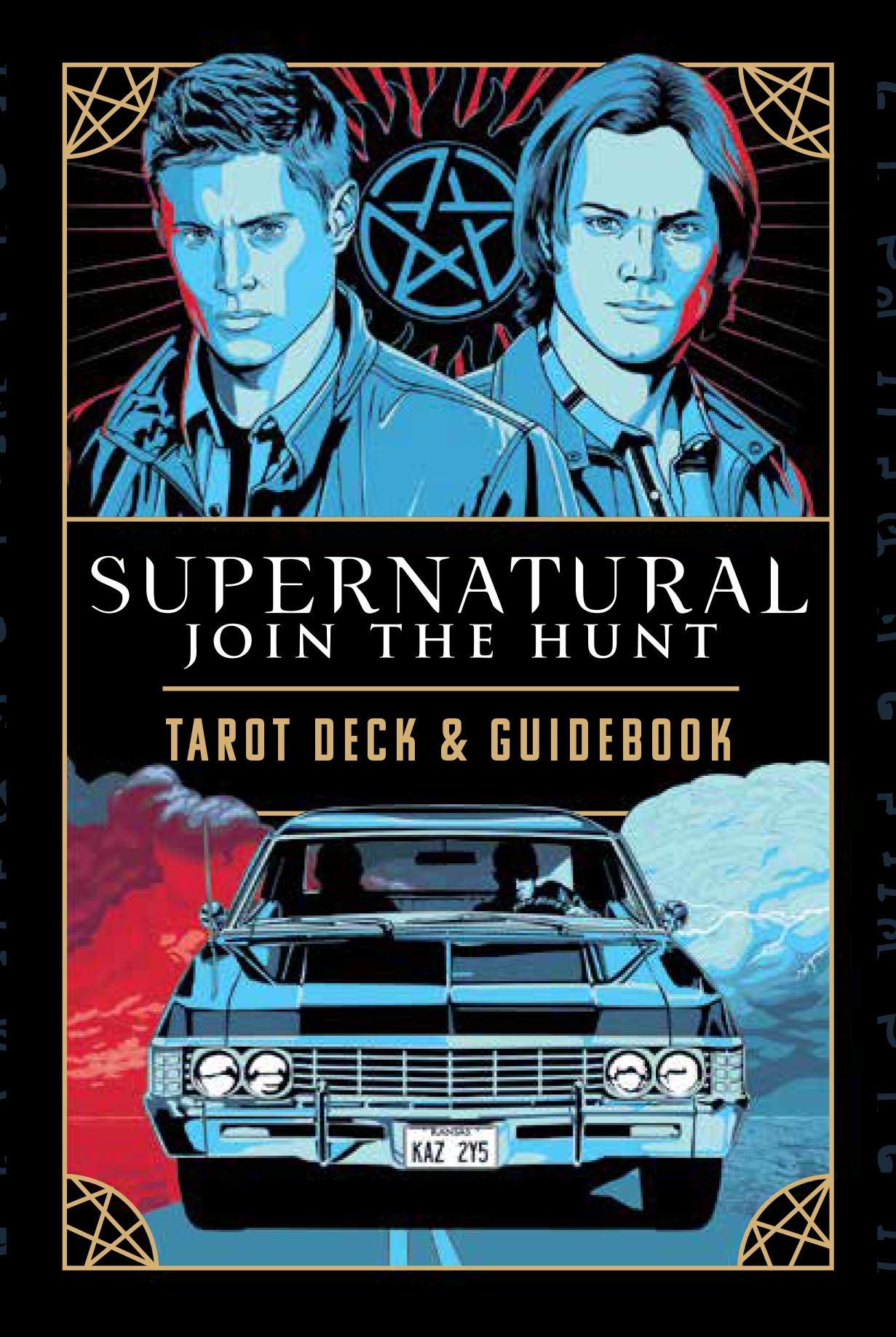
This image is property of cdn.dc5.ro.

History of Tarot Cards
Tarot cards have a long and intriguing history that dates back centuries. The origins of these mystical cards can be traced back to the 15th century in Europe. While the exact origins of Tarot cards remain unknown, they are believed to have originated in Italy or France. Initially, Tarot cards were used primarily for playing games, much like standard playing cards. However, over time, Tarot cards evolved into a powerful tool for divination and spiritual exploration.
Origins of Tarot Cards
The exact origins and purpose of Tarot cards are shrouded in mystery. Some believe that Tarot cards were derived from ancient Egyptian, Hebrew, or even Indian civilization. Others associate their origins with esoteric traditions like Kabbalah or the occult. Regardless of their true origin, Tarot cards emerged as a powerful symbol system that tapped into the subconscious and connected individuals with higher realms of consciousness.

This image is property of Amazon.com.

Development of Tarot as a Divination Tool
The use of Tarot cards for divination and spiritual guidance gained popularity in the late 18th century. Influential occultists such as Antoine Court de Gébelin and Eliphas Levi attributed deep esoteric meaning to the Tarot deck, associating it with various spiritual and mystical systems. They believed that Tarot cards held the power to uncover hidden truths, provide guidance, and reveal insights into the past, present, and future.
Components of Tarot Cards
A standard Tarot deck consists of 78 cards divided into two main categories: the Major Arcana and the Minor Arcana.
Major Arcana
The Major Arcana consists of 22 cards, each representing a significant archetype or symbol. These cards, such as The Fool, The Magician, and The World, carry profound spiritual and metaphysical meanings. They often depict universal life lessons, stages of personal growth, and the journey of the soul.
Minor Arcana
The Minor Arcana consists of 56 cards divided into four suits: Cups, Swords, Wands, and Pentacles. Each suit represents different aspects of life, emotions, challenges, and opportunities. The Minor Arcana cards offer more specific guidance and insights into daily experiences and interactions.
Suits and Court Cards
Within each suit of the Minor Arcana, there are four court cards: Page, Knight, Queen, and King. These court cards represent various personality types, attitudes, and energies. They offer insights into the people and relationships involved in a particular situation.

This image is property of cdn-aniej.nitrocdn.com.
Interpreting Tarot Cards
Interpreting Tarot cards requires a deep understanding of the individual meanings of each card and the symbolism they represent. Each card in the Tarot deck carries its own unique meaning, which can vary depending on its position in a spread and the surrounding cards.
Meaning of Each Card
Each Tarot card holds a multitude of meanings and interpretations. The Fool card, for example, represents new beginnings, spontaneity, and taking risks. The Death card, contrary to its ominous name, symbolizes transformation, endings, and personal growth. These meanings are a combination of traditional interpretations, personal intuition, and the context of the reading.
Symbolism in Tarot Cards
Tarot cards are rich in symbolism, ranging from colors and elements to animals and numerology. The images on the cards are carefully crafted to convey various layers of meaning and invite deep contemplation. For example, the High Priestess card may feature a crescent moon, symbolizing intuition and the subconscious mind, while the Tower card may depict lightning striking a tower, representing sudden and unexpected change.
Tarot Card Spreads
Tarot card spreads refer to the arrangement of cards during a reading. Different types of spreads serve various purposes, offering insights into different aspects of life, relationships, or specific questions.
Different Types of Spreads
Common spreads include the Celtic Cross, which provides a comprehensive overview of the situation, and the Three-Card Spread, which offers past, present, and future insights. Other spreads, such as the Relationship Spread or the Career Spread, focus on specific areas of a person's life.
How Spreads Are Read
As a Tarot reader, you start by shuffling the deck and selecting the cards based on the chosen spread. Each position in the spread represents a specific aspect of the question or situation. The Tarot reader interprets the cards' meanings, their relationships with each other, and their positions within the spread to provide insight and guidance.

This image is property of img.joomcdn.net.
Psychological Aspect of Tarot
While some claim that Tarot cards possess supernatural powers, others view Tarot primarily as a tool for psychological exploration and introspection.
Role of Intuition and Subconscious
In Tarot readings, the role of intuition and the subconscious mind is crucial. The imagery and symbolism of the cards tap into the deeper layers of the mind, triggering insights and connections that may not be immediately apparent. Tarot can serve as a powerful tool to access the subconscious mind and explore one's emotions, subconscious desires, and fears.
Therapeutic Benefits of Tarot Reading
Tarot reading can have therapeutic benefits, allowing individuals to gain a deeper understanding of themselves, their emotions, and their current life circumstances. It can provide a sense of clarity, perspective, and empowerment, offering guidance and support during challenging times. Tarot readings can also facilitate self-reflection, personal growth, and a greater sense of self-awareness.
Scientific Perspective on Tarot
From a scientific standpoint, Tarot cards are often viewed as a tool for introspection and self-reflection rather than a supernatural divination tool.
Psychological Explanations of Tarot
Psychologists and skeptics argue that the interpretations and insights gained from Tarot readings are a result of the human mind's inherent pattern-seeking and storytelling abilities. They suggest that the cards act as a catalyst for personal reflection, prompting individuals to explore their thoughts, feelings, and experiences in a deeper and more meaningful way.
Cold Reading Techniques
Critics of Tarot often cite cold reading techniques as a means to explain the apparent accuracy of readings. Cold reading is the art of making general statements or educated guesses that can apply to a wide range of people. Tarot readers may unwittingly use these techniques, relying on a client's reactions to refine their interpretations and provide tailored insights.

This image is property of cdn-aniej.nitrocdn.com.
Personal Beliefs and Experiences
When it comes to Tarot cards, personal beliefs and experiences vary greatly among individuals.
Supernatural Experiences with Tarot
Many individuals claim to have had supernatural experiences with Tarot. They attribute accurate and specific predictions, synchronicities, and spiritual insights to the power of the Tarot deck itself. Some believe that Tarot cards can tap into divine or higher spiritual realms, providing guidance and wisdom beyond our immediate understanding.
Skepticism towards Tarot
On the other hand, skeptics view Tarot cards as nothing more than a tool for self-reflection, with no inherent supernatural power. They argue that any accuracy obtained from Tarot readings is a result of chance, subjective interpretation, or the psychological effects of the reading process.
Cultural and Societal Impact
Tarot cards have had a significant impact on popular culture, literature, and media throughout history.
Popularity of Tarot Cards
Tarot has gained widespread popularity and has become a mainstream tool for divination and self-exploration. Many individuals turn to Tarot readings for guidance and insight into various aspects of their lives, seeking spiritual or practical advice.
Tarot in Literature and Media
Tarot cards have made appearances in various literary works, movies, and TV shows. From novels like "The Magicians" by Lev Grossman to the movie "The Craft," Tarot cards often serve as a powerful symbol of mystery, intrigue, and supernatural abilities.
Ethical Considerations of Tarot Reading
Tarot readers have a responsibility to approach their practice with ethics and integrity.
Responsibilities of Tarot Readers
Tarot readers must respect the privacy and dignity of their clients. They should provide readings in a non-judgmental and objective manner, offering guidance while encouraging personal empowerment and free will. Tarot readers should also be transparent about their limitations and not make exaggerated claims about the power or accuracy of Tarot cards.
Controversies and Criticisms
Tarot reading has faced its fair share of controversies and criticisms. Some critics argue that Tarot readings can be manipulative or exploitative, taking advantage of vulnerable individuals seeking answers or guidance. Others criticize the lack of scientific evidence supporting the accuracy or effectiveness of Tarot readings.
Conclusion
In conclusion, the question of whether Tarot cards are supernatural remains subjective and open to personal interpretation. While some individuals believe in the supernatural powers of Tarot cards, others view them as powerful tools for introspection, self-reflection, and personal growth. Regardless of one's personal beliefs, Tarot cards have undoubtedly left a significant impact on human history, culture, and spirituality. Whether seen as a pathway to the divine or a psychological tool for exploration, Tarot cards continue to captivate and intrigue individuals seeking guidance and insight into the mysteries of life.

Comments
Post a Comment