
Have you ever wondered if tarot cards can actually ruin your life? It's a question that has crossed the minds of many, especially those who are curious about delving into the world of tarot. Well, I'm here to shed some light on the topic and put your mind at ease.
First of all, let's clarify what a tarot card is. It's a deck of 78 cards, each with its own unique imagery and symbolism. Tarot cards are often used as a tool for self-reflection, guidance, and spiritual exploration. They can provide insights and guidance to help navigate through life's challenges and make informed decisions. But can they really ruin your life?
The short answer is no. Tarot cards are not inherently negative or harmful. They are simply a tool, and like any tool, their effects depend on how they are used. If used with good intentions and a clear mindset, tarot cards can actually be quite beneficial. They can provide clarity, offer new perspectives, and help you tap into your own intuition. In fact, many people find tarot readings to be empowering and enlightening.
Of course, it's important to approach tarot cards with a healthy dose of skepticism and an open mind. It's also crucial to exercise personal responsibility and not let the cards dictate your life choices. Ultimately, you are in control of your own destiny, and tarot cards are just one of the many tools that can aid you on your journey. So, if you're interested in exploring the world of tarot, rest assured that it won't ruin your life, but instead, it may open up new possibilities and perspectives that you never knew existed.
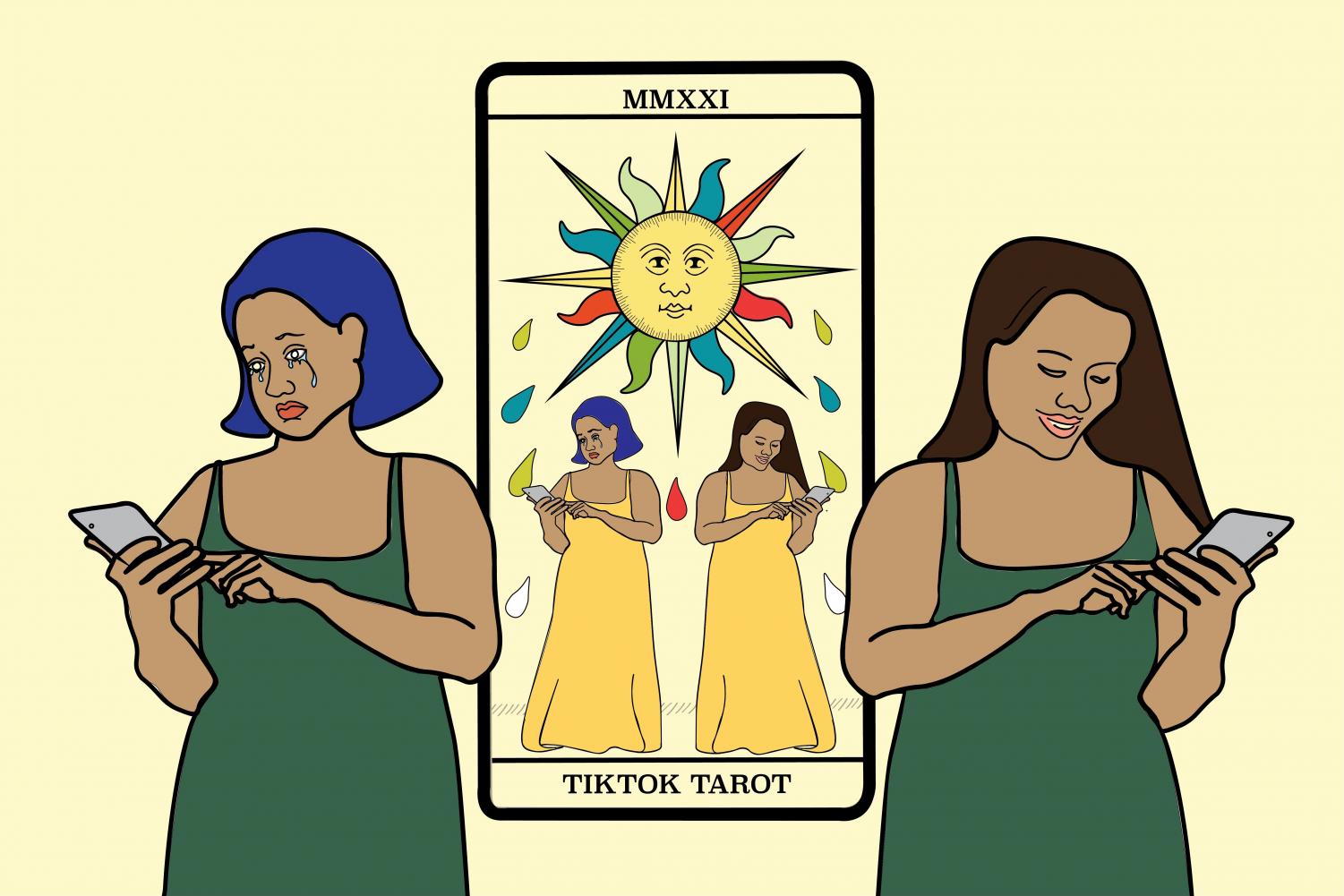
This image is property of vtcynic.com.

Introduction
Tarot cards have long been a subject of fascination and intrigue for many people. From their beautiful imagery to their supposed ability to reveal insights into the future, tarot cards hold a certain mystique that has captivated individuals for centuries. However, as with any form of divination or spiritual practice, it is important to explore both the positive and potentially negative impacts it can have on one's life. In this article, we will delve into the world of tarot cards, examining their history, power, risks, real-life examples, and how to navigate their use responsibly.
Understanding Tarot Cards
What are Tarot Cards?
Tarot cards are a deck of 78 cards, typically divided into two main groups - the Major Arcana and the Minor Arcana. Each card in the deck has a unique image and symbolism, which can be interpreted in various ways depending on the reader and the question being asked. While some may view tarot cards as simply a tool for fortune-telling, they can also be seen as a means of tapping into deeper insights and self-reflection.
History of Tarot Cards
The origins of tarot cards are believed to date back to the 15th century in Europe. Initially used as playing cards, they gradually evolved into a tool for divination and spiritual exploration. Over time, different traditions and interpretations emerged, leading to the diverse range of tarot decks we see today.
Tarot Card Reading
Tarot card reading is the practice of using the cards to gain insight and guidance. A reader will typically shuffle the deck, ask the querent (the person seeking guidance) to focus on a specific question or area of their life, and then draw cards from the deck. The cards are laid out in a specific spread, and their meanings are interpreted in relation to the question being asked. The reading can provide insights into various aspects of life, including relationships, career, and personal growth.
Types of Tarot Cards
There are numerous tarot decks available, each with its own unique artwork and symbolism. Some popular decks include the Rider-Waite-Smith deck, the Thoth deck, and the Marseille deck. Each deck may have subtle differences in interpretations and meanings, allowing readers to choose the deck that resonates most with them.

This image is property of mysticalbee.com.
The Power of Tarot Cards
Belief and Perception
The power of tarot cards lies in the belief and perception of the individuals engaging with them. For some, tarot cards serve as a powerful tool for self-reflection and exploration. The mere act of engaging with the deck and asking thoughtful questions can lead to profound insights and personal growth. However, it is essential to recognize that tarot cards are not inherently magical or infallible. Their power lies in the interpretation and meaning assigned to them by the individuals involved.
Psychological Impact
Tarot cards can have a significant psychological impact on individuals. The process of seeking guidance and exploring one's thoughts and emotions through the cards can bring about a sense of clarity and understanding. It can help individuals gain new perspectives, challenge limiting beliefs, and navigate through difficult situations. Tarot cards can serve as a mirror, reflecting back the hidden aspects of one's psyche and providing an avenue for personal growth and healing.
Guidance and Self-Reflection
One of the key benefits of tarot card reading is the guidance it can offer. The cards can provide insights into various aspects of one's life, helping individuals make informed decisions, gain clarity, and find direction. Tarot card readings can act as a source of support during times of uncertainty or confusion, offering a fresh perspective and helping individuals tap into their own intuition and wisdom.
Connection with the Spiritual Realm
For some, tarot cards serve as a means of connecting with the spiritual realm. The symbols, archetypes, and imagery depicted in the cards can resonate deeply with individuals, sparking a sense of connection with something greater than themselves. Tarot can be seen as a tool for accessing spiritual insights and guidance, opening up channels of communication with higher consciousness or divine energy.
Potential Risks of Tarot Card Reading
Dependency and Obsession
As with any practice, there is the potential for dependency and obsession when it comes to tarot card reading. Relying too heavily on the cards for decision-making or constantly seeking validation from external sources can lead to an unhealthy reliance on the cards. It is crucial to maintain a balanced perspective and not become overly reliant on tarot cards for every aspect of life.
Misinterpretation of Messages
Another risk of tarot card reading is the potential for misinterpretation of messages. Tarot cards provide symbols and archetypes that are open to interpretation, and different readers may ascribe different meanings to the same card. It is important to remember that tarot readings are not definitive answers but rather an exploration of possibilities. Misinterpreting or fixating on a specific message from the cards can lead to confusion or misguided decision-making.
Emotional Vulnerability
Tarot card readings can tap into deep emotions and sensitive topics. Exploring personal issues or receiving challenging insights can leave individuals feeling vulnerable and emotionally exposed. It is crucial to approach tarot card readings with self-care and emotional support in place to ensure that any intense emotions that arise are processed in a healthy and supported manner.
Manipulation and Fraud
Unfortunately, like any field, there are individuals who may take advantage of vulnerable individuals seeking guidance through tarot card readings. It is important to seek reputable and ethical readers who prioritize the well-being and privacy of their clients. Researching readers, reading reviews, and relying on recommendations can help minimize the risk of encountering manipulative or fraudulent practitioners.
This image is property of theelevateinstitute.com.
Real-life Examples
Personal Experiences
Many individuals have shared personal experiences highlighting the positive and transformative effect of tarot card readings in their lives. Stories of individuals finding clarity, making empowered decisions, and experiencing personal growth through tarot are numerous. However, it is essential to remember that these experiences are unique and subjective to each individual.
Case Studies
In certain instances, individuals have reported negative experiences or difficulties arising from their engagement with tarot card readings. These cases include individuals feeling overwhelmed or confused by conflicting interpretations, becoming overly dependent on readings for decision-making, or experiencing a sense of loss of personal agency. These case studies serve as a reminder of the potential risks involved and the importance of approaching tarot card readings with caution and discernment.
Balancing Tarot Card Exploration
Setting Boundaries
To ensure a healthy and balanced relationship with tarot cards, it is crucial to set boundaries. Determine how often you will engage with the cards, establish clear intentions for your readings, and avoid using tarot as the sole source of guidance or decision-making in your life. Setting boundaries helps maintain a healthy perspective and prevents dependency or obsession.
Seeking Professional Guidance
If you find yourself grappling with challenging emotions or facing complex issues during your tarot card exploration, seek professional guidance. A therapist, counselor, or spiritual mentor can provide invaluable support in navigating the emotions and insights that arise from the readings. They can help you process and gain clarity on the messages received and ensure your well-being throughout the process.
Emotional Well-being
Prioritizing your emotional well-being is crucial when engaging with tarot cards. Practice self-care and self-compassion, ensuring you have support systems in place to process any intense emotions that may arise. Taking breaks from tarot when needed, engaging in other forms of self-reflection or meditation, and maintaining a balanced and grounded lifestyle can all contribute to emotional well-being.
Integrating Tarot Wisdom
Rather than relying solely on tarot card readings, seek to integrate the wisdom and insights gained from the readings into your daily life. Use the cards as a tool for self-reflection, but also engage in active decision-making and take responsibility for your choices. Tarot can provide guidance and support, but ultimately, it is up to you to take action and create the life you desire.

This image is property of i.ytimg.com.
Debunking Myths and Understanding Truths
Misconceptions about Tarot Cards
Tarot cards are often misunderstood and viewed as a mystical or supernatural tool. However, it is important to recognize that tarot readings are not a magical solution to all of life's problems. Tarot cards do not possess inherent power or the ability to predict the future. They are simply a tool for self-reflection and exploration.
Separating Facts from Fiction
Many myths and misconceptions surround tarot cards, ranging from accusations of witchcraft to the belief that they are evil or negative. It is important to separate fact from fiction by educating oneself and seeking reliable sources of information. Understanding the origins, history, and purpose of tarot cards can help dispel these myths and approach tarot card reading with a more informed perspective.
Scientific Perspectives
From a scientific standpoint, tarot card readings are often viewed as a form of entertainment or a psychological tool. The power of tarot lies in the interpretation and meaning assigned by the reader and the querent. While there may not be empirical evidence supporting the efficacy of tarot readings, the psychological benefits and personal insights gained from the process cannot be dismissed.
The Role of Personal Responsibility
Detaching from Fear-based Beliefs
One of the crucial aspects of engaging with tarot card readings is to detach from fear-based beliefs and superstitions. Tarot cards should not be feared or viewed as a destructive influence. By approaching tarot with an open mind and a willingness to explore and grow, individuals can experience the positive potential within this practice.
Making Informed Choices
Taking personal responsibility involves making informed choices when it comes to engaging with tarot card readings. It includes researching reputable readers, setting boundaries, and being discerning when interpreting the messages received. By making informed choices, individuals can navigate the practice in a way that aligns with their values and goals.
Maintaining a Balanced Perspective
Personal responsibility also entails maintaining a balanced perspective when it comes to tarot card readings. Acknowledge the potential benefits and risks associated with this practice, approach it with an open mind, and incorporate other forms of self-reflection and decision-making into your life. By maintaining balance, you can avoid becoming overly reliant on tarot cards and ensure a healthy relationship with this tool.

This image is property of hips.hearstapps.com.
Conclusion
Tarot cards have the power to provide guidance, insight, and self-reflection when approached with an open mind and discernment. However, it is important to recognize the potential risks and pitfalls associated with their use. By setting boundaries, seeking professional guidance when needed, prioritizing emotional well-being, and maintaining a balanced perspective, individuals can explore tarot card readings in a way that enhances their lives rather than potentially causing harm. Ultimately, tarot cards can be a valuable tool for personal growth and empowerment when used responsibly and in conjunction with personal judgment and self-reflection.

Comments
Post a Comment