
So, you've heard about tarot cards and you're curious about how many cards are actually in a tarot deck? Well, my friend, you've come to the right place because I've got all the answers for you.
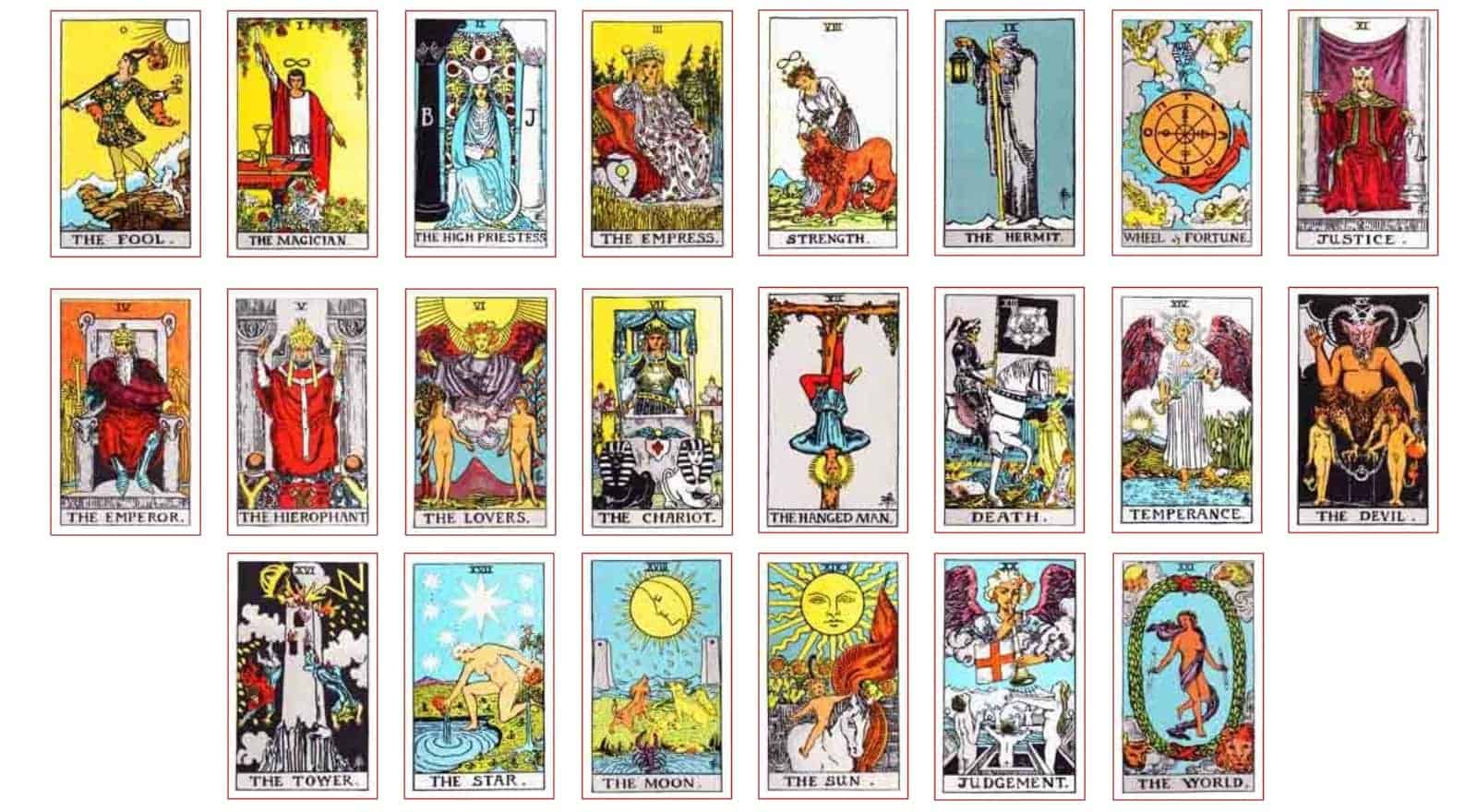
A standard tarot deck typically consists of 78 cards. Yes, you heard that right, 78! But don't worry, I won't leave you hanging without any explanation. The deck is divided into two main sections: the Major Arcana and the Minor Arcana. The Major Arcana consists of 22 cards, each with its own unique symbolism and meaning. These cards represent the major life lessons and spiritual themes that we encounter on our journey. On the other hand, the Minor Arcana is divided into four suits, just like a regular deck of playing cards. Each suit contains 14 cards, consisting of the Ace through Ten, and four Court cards - Page, Knight, Queen, and King.
Now that you know how many cards are in a standard tarot deck, you may be wondering what each card actually represents and how to interpret them. Well, my friend, that's a whole other story that I’ll dig into in another article. But for now, know that each card carries its own unique energy and message, allowing the reader to gain insights and advice to navigate through life's challenges and decisions.
So, whether you're a tarot enthusiast or simply curious about this ancient divination tool, stay tuned to learn more about the fascinating world of tarot cards. With 78 cards at hand, there's a whole myriad of possibilities waiting to be discovered.
This image is property of www.alittlesparkofjoy.com.

Overview of Tarot Cards
Tarot cards have gained significant popularity as a tool for divination and self-reflection. Whether you are a seasoned tarot card reader or just beginning to explore the mystical world of tarot, understanding the structure and count of tarot cards is essential. In this article, we will dive into the fascinating realm of tarot card counts, exploring the different types of tarot decks, variations in card counts, and the significance of card numbers in tarot readings.
Defining tarot cards
Tarot cards are a deck of playing cards specifically designed for divination and personal insight. Each tarot card is adorned with symbolic images and keywords that provide guidance and insights into various aspects of life, relationships, and personal development. The practice of reading tarot cards involves laying out the cards in specific patterns, known as spreads, and interpreting their meanings based on their position, symbolism, and intuitive insights.
History of tarot cards
The exact origins of tarot cards are shrouded in mystery and speculation. It is believed that tarot cards originated in the mid-15th century in Europe, primarily in Italy. Initially used as playing cards, tarot cards gradually took on a more mystical and esoteric meaning. The first known deck, the Visconti-Sforza tarot deck, consisted of 78 cards, which became the standard deck structure.
Structure of Tarot Decks
Major Arcana cards
Tarot decks are typically divided into two main sections: the Major Arcana and the Minor Arcana. The Major Arcana is often considered the core of the tarot deck and consists of 22 cards. These cards represent significant life events, archetypal energies, and spiritual lessons. Each Major Arcana card carries a unique and powerful message, providing a deeper understanding of the human experience and spiritual journey.
Minor Arcana cards
The Minor Arcana is comprised of the remaining 56 cards in a tarot deck, further divided into four suits: Wands, Cups, Swords, and Pentacles. Each suit contains ten numbered cards, known as pip cards, and four court cards: Page, Knight, Queen, and King. The Minor Arcana represents everyday experiences, challenges, emotions, and practical aspects of life. While the Major Arcana focuses on broader themes and life lessons, the Minor Arcana offers detailed insights into specific situations, relationships, and actions.
Number of cards in a tarot deck
In total, a standard tarot deck consists of 78 cards. This count is consistent across most traditional tarot decks used today. However, it's important to note that there are variations in tarot deck counts, which adds diversity and uniqueness to the tarot card world.

This image is property of i.pinimg.com.

Number of Tarot Cards
Different tarot deck sizes
While the standard tarot deck contains 78 cards, there are various deck sizes available to cater to individual preferences and specific tarot reading styles. Some tarot decks may have additional cards or fewer cards compared to the traditional 78-card deck. These variations often have specific purposes and may offer additional insights or focus on particular aspects of life or spirituality.
Traditional tarot decks
Traditional tarot decks, such as the Rider-Waite Tarot Deck, the Marseille Tarot Deck, and the Thoth Tarot Deck, adhere to the standard 78-card count. These decks are widely recognized and utilized by tarot enthusiasts and professionals worldwide. They provide a solid foundation for learning tarot symbolism and interpretations.
Non-traditional tarot decks
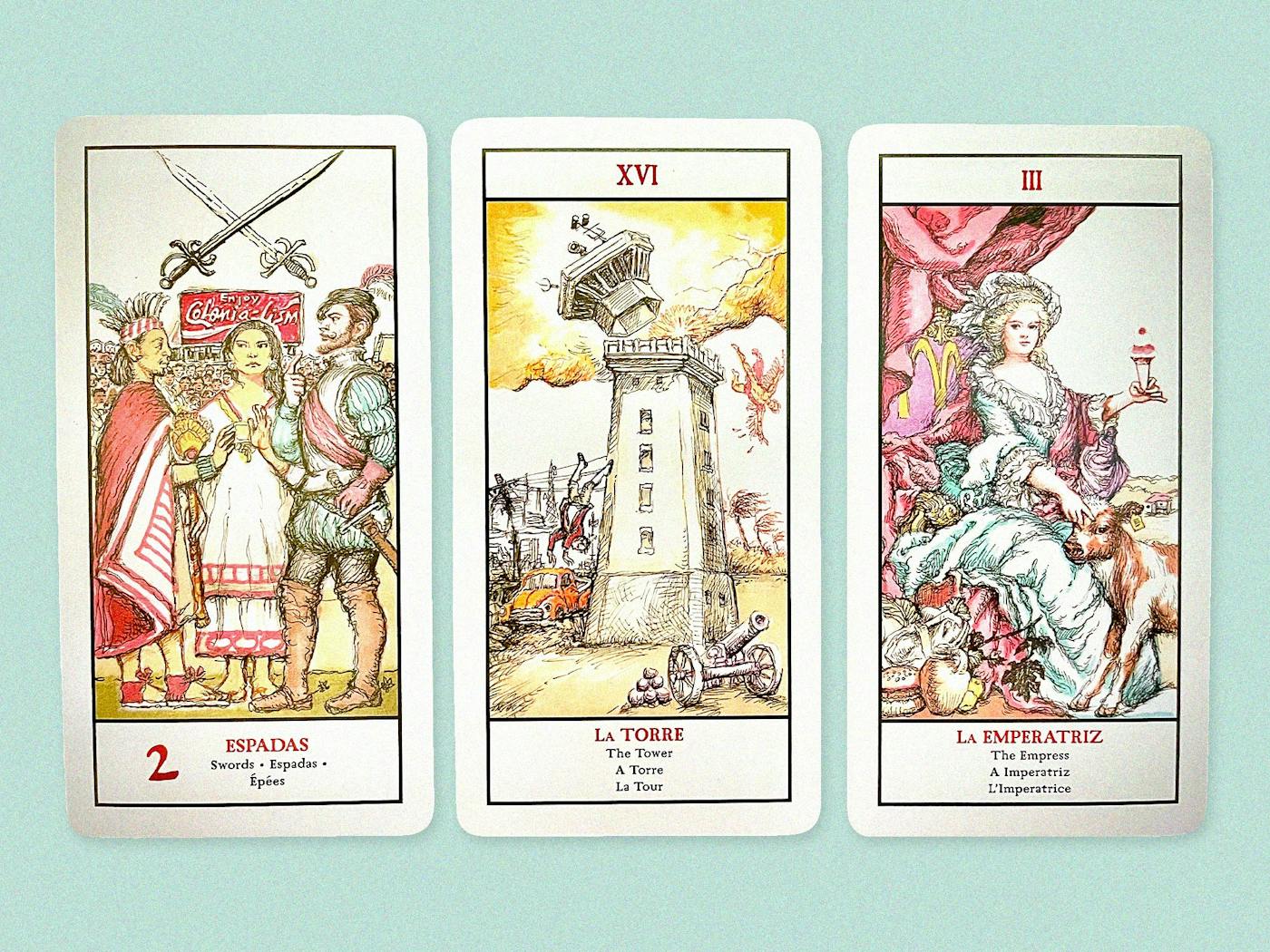
As the tarot card phenomenon continues to grow, so does the creativity and diversity in tarot deck designs. Many tarot enthusiasts and artists create non-traditional decks that deviate from the standard 78-card count. These decks may contain additional cards, different suits, or unique artistic interpretations. Non-traditional decks allow for more personalized and specialized tarot readings, catering to specific interests, spiritual traditions, or cultural influences.
Standard Tarot Deck
Standard tarot deck features
A standard tarot deck consists of 78 cards, as mentioned earlier. Each card has a unique illustration, title, and number. The card illustrations often depict symbolic scenes, figures, or objects that convey various meanings and themes. The titles of the Major Arcana cards typically represent universal archetypes, while the Minor Arcana cards are numbered and feature suit symbols to distinguish their respective suits.
78 cards in a standard tarot deck
The 78 cards in a standard tarot deck can be further broken down into 22 Major Arcana cards and 56 Minor Arcana cards. Each card carries its own significance and contributes to the overall message and insights in a tarot reading. The Major Arcana cards provide broader perspective and guidance, while the Minor Arcana cards offer specific details and practical advice.

This image is property of Amazon.com.
Variations in Tarot Card Counts
Tarot decks with extra cards
Some tarot decks go beyond the traditional 78-card count by incorporating additional cards. These extra cards may include bonus cards, alternate versions of existing cards, or entirely new cards created by the deck's creator. The inclusion of extra cards allows for expanded interpretations and adds depth to tarot readings, providing more nuanced insights into specific situations or spiritual concepts.
Tarot decks with fewer cards
On the other hand, some tarot decks opt for a reduced card count, deviating from the standard 78 cards. These decks may exclude certain cards from the Major or Minor Arcana or fuse together multiple cards into one. The purpose of having fewer cards is to streamline and simplify the deck, making it more accessible for beginners or focusing on a specific theme or message.
Tarot decks with multiple decks combined
Another variation in tarot card counts involves combining multiple decks into one. Some tarot readers prefer to work with multiple decks to enhance their readings or incorporate different artistic styles and interpretations. By combining decks, readers can tap into a wider range of symbolism and expand their tarot practice.
Understanding Tarot Card Count
Significance of tarot card count
The number of tarot cards in a deck holds symbolic significance and plays a role in understanding their meanings. The 78-card count represents a cohesive system that encompasses various aspects of human experiences, spiritual lessons, and practical guidance. Each card's number, whether in the Major or Minor Arcana, carries its own energetic vibration and contributes to the overall message and interpretation.
Determining the meaning of individual cards
While the number of cards in a tarot deck provides a foundational structure, it is essential to remember that each card holds individual meaning and significance. The placement of a card in a spread, its relationship to other cards, and the reader's intuition all influence the interpretation of a card. Understanding the symbolism, imagery, and keywords associated with each card aids in discerning its intended message and personal significance within the context of a reading.
Divination and interpretation
Tarot cards serve as a tool for divination and self-reflection. As a divinatory practice, tarot readings provide insights into the past, present, and future, aiding individuals in making informed decisions and gaining clarity on their life path. Interpretation is a vital aspect of tarot readings, as it involves understanding the cards' messages and how they relate to the querent's specific question or situation. Skilled tarot readers draw upon their knowledge of the card meanings, intuition, and empathic abilities to provide accurate and meaningful readings.
This image is property of media.cnn.com.
Choosing a Tarot Deck
Factors to consider when choosing a tarot deck
When selecting a tarot deck, several factors come into play. It is essential to consider personal preferences, visual aesthetics, and resonance with the artwork and symbols present in the cards. Some individuals may feel drawn to decks that align with their spiritual or cultural background, while others may prefer decks with unique interpretations or unconventional artistic styles. Ultimately, choosing a tarot deck is a deeply personal decision that should resonate with the individual's energy and purpose for working with tarot cards.
Personal preference
Your personal connection to a tarot deck is crucial in establishing a profound and intuitive relationship with the cards. If a particular deck's artwork or theme speaks to you on a deep level, it is more likely to resonate with your energies and enhance your tarot practice and readings. Exploring different decks and taking the time to connect with their energy can help you discover the one that feels right for you.
Deck symbolism and artwork
The symbolism and artwork within a tarot deck significantly impact the interpretations and messages conveyed by the cards. Consider whether you prefer traditional or contemporary artwork, intricate or simple designs, realistic or abstract representations. Each deck carries its own unique visual language, and finding a deck that aligns with your aesthetic preferences can enhance your connection to the cards and deepen your tarot practice.
Popular Tarot Deck Options
Rider-Waite Tarot Deck
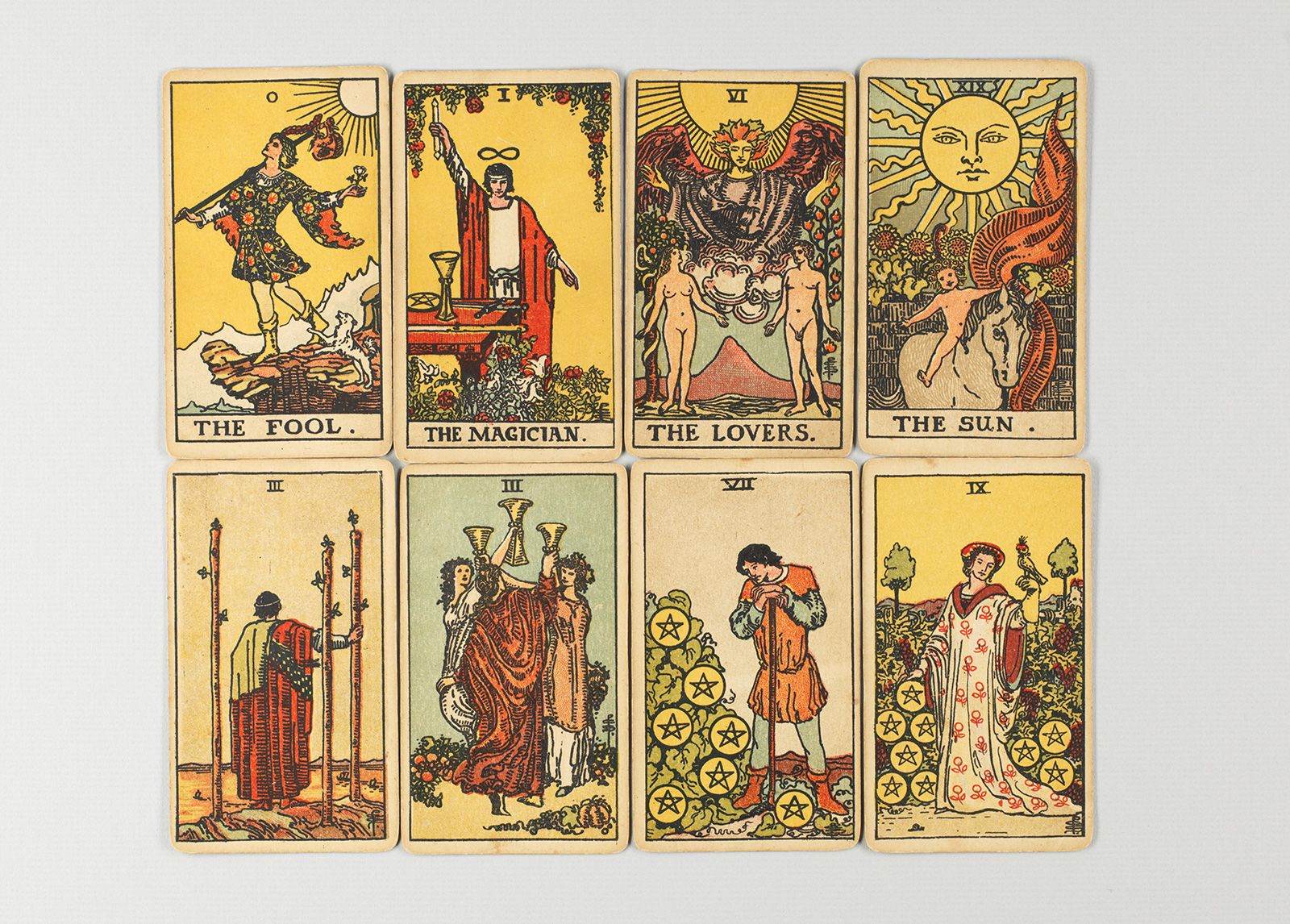
The Rider-Waite Tarot Deck is perhaps one of the most well-known and widely used tarot decks. Created by artist Pamela Colman Smith and published in 1910, this deck revolutionized tarot card design with its vibrant illustrations and rich symbolism. The Rider-Waite Tarot Deck follows the traditional 78-card count and provides a solid foundation for beginners and experienced readers alike.
Thoth Tarot Deck
Designed by Aleister Crowley and Lady Frieda Harris, the Thoth Tarot Deck is a highly influential and esoteric tarot deck. Published in 1969, this deck delves deep into occult and mystical symbolism, drawing from various spiritual and philosophical traditions. The Thoth Tarot Deck offers a unique perspective on tarot readings and is favored by individuals interested in exploring the deeper aspects of tarot symbolism.
Marseille Tarot Deck
The Marseille Tarot Deck is one of the oldest and most enduring tarot decks, with its origins dating back to the 15th century. This deck features simple yet captivating illustrations, emphasizing the suit symbols and numbers rather than elaborate imagery. The Marseille Tarot Deck is renowned for its straightforward and direct approach, making it a favorite among traditionalists and those seeking a no-nonsense interpretation of the cards.
This image is property of img.texasmonthly.com.
Tarot Reading Techniques
Basic tarot reading techniques
Tarot readings can be approached in various ways, depending on the reader's preferences and the querent's needs. Basic tarot reading techniques involve shuffling the cards, selecting a spread, laying out the cards, and interpreting their meanings and relationships. As the reader gains experience and develops their intuitive abilities, they may incorporate additional techniques such as meditation, energy work, and journaling to enhance their readings.
Different tarot spreads
Tarot spreads refer to the specific patterns in which cards are laid out during a reading. Different spreads offer different insights and focus on specific areas of life, such as love, career, or spiritual growth. Popular tarot spreads include the Celtic Cross, the Three-Card Spread, the Past-Present-Future Spread, and the Relationship Spread. Each spread provides a unique perspective on the querent's question or situation.
Interpreting cards in a spread
Interpreting the cards in a spread involves examining their individual meanings as well as considering their positions and relationships within the spread. Each card's symbolism, number, suit, and surrounding cards contribute to its interpretation. Tarot readers often rely on their intuition and knowledge of the card meanings to decipher the messages encoded within the spread. It is essential to approach tarot interpretation with an open and receptive mindset, allowing the cards to reveal their wisdom and guidance.
Conclusion
In conclusion, a standard tarot deck consists of 78 cards, divided into the Major Arcana and the Minor Arcana. The 22 Major Arcana cards represent significant life events and spiritual lessons, while the 56 Minor Arcana cards offer insights into everyday experiences and practical aspects of life. The number of tarot cards in a deck holds symbolic significance and contributes to the interpretation and meaning of each card. Choosing a tarot deck involves considering personal preferences, resonating with the artwork and symbolism, and finding a deck that aligns with your energy and tarot reading style. Whether you are a beginner or an experienced tarot reader, the world of tarot cards offers valuable insights, guidance, and self-reflection. Explore the vast array of tarot decks and embrace the wisdom and magic that tarot cards can bring into your life.

Comments
Post a Comment