
Have you ever wondered who invented tarot cards? It's a fascinating subject with a rich history. In this article, we'll delve into the origins of tarot cards and explore the different theories surrounding their invention. By the end, you'll have a better understanding of this ancient practice and how it has evolved over the years. So, let's get started and uncover the mystery of who really invented tarot cards!
Tarot cards have been around for centuries, but their true origins remain a subject of debate among historians and scholars. Some believe that the tarot originated in ancient Egypt, while others attribute its creation to the ancient Greeks or the Chinese. Regardless of their precise origins, tarot cards have been used for divination and spiritual guidance for centuries. Each card in the deck carries symbolic meanings and holds a specific message, making them a popular tool for exploring the mysteries of life and the human psyche.
In this article, we'll explore the various theories surrounding the invention of tarot cards. We'll take a closer look at the ancient civilizations that may have influenced their creation and how the deck evolved over time. From the Marseilles Tarot to the Rider-Waite Tarot, we'll uncover the different styles and interpretations that have emerged throughout history. So, if you're curious about the origins of tarot cards and how they have shaped the world of divination, stay tuned for the rest of this article. There's so much more to learn!

The Origins of Tarot Cards
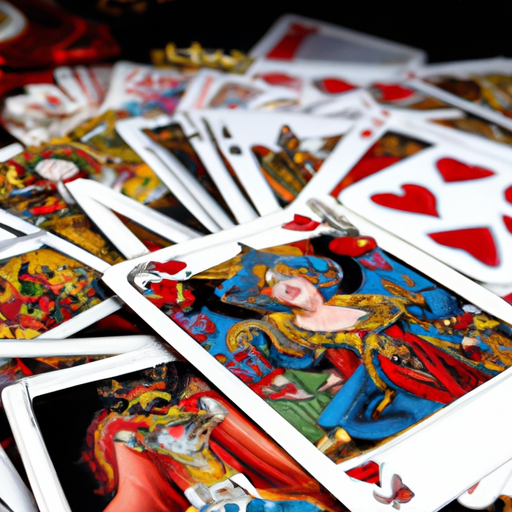
Tarot cards have a long and fascinating history, dating back many centuries. The exact origins of tarot cards are shrouded in mystery, but they are believed to have evolved from ancient playing cards and have been influenced by various cultures throughout history. In this article, we will delve into the origins of tarot cards, explore their evolution, delve into their mystical and symbolic elements, examine their influence on occultism, discuss controversies surrounding them, highlight key figures in their history, explore their presence in popular culture, examine the modern tarot industry, and discuss the enduring appeal of tarot.
Ancient Playing Cards
The ancient origins of tarot cards can be traced back to the playing cards used in ancient civilizations such as China, India, and Egypt. These early cards were not used for divination purposes but were instead used primarily for playing games. The Chinese had a deck of cards known as the "money-suited" cards, while the Indians had a deck known as the "Ganjifa." These early playing cards consisted of numbered cards organized into suits, much like our modern-day playing cards.
The Influence of Islamic Playing Cards
The playing cards used in Muslim-ruled areas in the Middle Ages had a significant impact on the development of tarot cards. These Islamic playing cards, known as "Mamluk" cards, featured intricate designs and detailed illustrations. They consisted of four suits: swords, cups, coins, and polo sticks. The Mamluk cards had no major arcana or trumps, which would later become a prominent feature of tarot decks.
Early Tarot-like Decks
The earliest known tarot-like decks emerged in Europe during the 14th century. These early decks, known as "tarocchi" or "tarock," were used for playing a trick-taking game similar to bridge or euchre. They featured a combination of numbered cards and illustrated trump cards. The tarot-like decks of this era varied in their number of cards, with some decks containing as few as 40 cards, while others had as many as 78.
The Tarot's Evolution
Introduction of Trump Cards
The introduction of trump cards in the tarot decks marked a significant milestone in the evolution of tarot. These trump cards, also known as the major arcana, were numbered from 0 to 21 and each featured a unique illustration. The trump cards depicted various symbolic and allegorical figures, each carrying its own meaning and significance. The inclusion of these trump cards added a new dimension to the use of tarot cards, moving beyond mere gaming and towards divination and spirituality.
Tarot and Divination
While tarot cards were initially used for gameplay, their potential for divination began to emerge during the Renaissance period. The symbolism and imagery depicted on the cards were seen as reflective of universal archetypes and could be used to gain insights into the past, present, and future. Tarot readers began to interpret the cards based on their placement in a spread and the relationships between them, creating a system of divination that is still practiced today.
The Tarot's Popularity in Europe
During the 18th and 19th centuries, tarot cards gained popularity among various social classes in Europe. The rise of occultism during this period contributed to the increased interest in tarot as a tool for spiritual exploration and self-discovery. Tarot decks became widely available, and books on tarot interpretation were published, making tarot accessible to a broader audience. The symbolism and rich imagery of the tarot cards appealed to people's fascination with the uncanny and mysterious.
The Mystical and Symbolic Elements of Tarot
Symbolism in Tarot
Tarot cards are steeped in symbolism, with each card carrying its own unique meaning and significance. The symbols depicted on the cards draw from various spiritual and esoteric traditions, including astrology, numerology, alchemy, and the Kabbalah. The rich symbolism of the cards allows for multiple layers of interpretation and invites the reader to explore different aspects of their life and consciousness.
The Major Arcana
The major arcana, also known as the trump cards, are the backbone of the tarot deck. These 22 cards represent the journey of the Fool, a symbolic figure who embarks on a spiritual and transformative journey. Each card in the major arcana portrays a different stage of this journey, from the innocence and potential represented by the Fool to the ultimate realization and enlightenment embodied by the World card. The major arcana cards tap into universal themes and archetypes, offering profound insights and guidance to those who seek them.
The Minor Arcana
In addition to the major arcana, the tarot deck also contains the minor arcana, which consists of four suits: swords, cups, wands, and pentacles. Each suit corresponds to one of the four elements and represents different aspects of life and human experience. The minor arcana cards, numbered from Ace to Ten, depict scenes and situations that reflect the challenges, opportunities, and emotions we encounter in our daily lives. Like the major arcana, the minor arcana cards offer valuable insights and guidance for self-reflection and personal growth.

The Influence of Tarot on Occultism
Tarot and the Occult
Tarot has had a profound influence on occult practices and the exploration of esoteric knowledge. The symbolic language of tarot resonates with esoteric traditions, offering a medium for accessing hidden wisdom and spiritual truths. Tarot readers and practitioners often incorporate other occult practices, such as astrology, numerology, and ritual magic, to enhance their understanding of the cards and their interpretations.
Tarot and the Hermetic Order of the Golden Dawn
One of the most significant influences on the modern interpretation and use of tarot came from the Hermetic Order of the Golden Dawn, a 19th-century occult society. Members of the Golden Dawn, including notable figures such as Arthur Edward Waite and Aleister Crowley, developed a system of tarot interpretation that combined elements of astrology, Kabbalah, and the Western esoteric tradition. The Rider-Waite-Smith tarot deck, created by Waite in collaboration with artist Pamela Colman Smith, became the most popular tarot deck of the 20th century and set the standard for many modern tarot decks.
Interpretation and Use in Modern Occult Practices
In modern occult practices, tarot is used for divination, meditation, spiritual introspection, and ritual work. Tarot readers and practitioners continue to explore and expand upon the symbolism and meanings of the cards, incorporating new perspectives and approaches. Tarot has become a valuable tool for those seeking personal growth, spiritual guidance, and a deeper understanding of themselves and the world around them.
The Controversies Surrounding Tarot
Religious Opposition to Tarot
Throughout history, tarot cards have faced opposition from various religious groups. Some religious leaders view tarot as a form of divination or fortune-telling, which they consider to be in conflict with their religious beliefs. As a result, tarot has been demonized and associated with the occult, leading to a stigma that still persists in some religious communities today.
Superstitions and Misunderstandings
Tarot cards have often been subject to superstitions and misconceptions. Some people believe that tarot cards possess inherent mystical powers or carry negative energy. Others view tarot readings as inherently fraudulent or manipulative. These misunderstandings stem from a lack of knowledge about tarot and a reliance on stereotypes perpetuated by popular culture.
Ethical Concerns in Tarot Readings
Another source of controversy surrounding tarot relates to ethical concerns in tarot readings. Some individuals question the validity and ethics of providing guidance based on a deck of cards. Critics argue that tarot readings can be misleading, manipulative, or irresponsibly interpreted, leading to potential harm or reliance on external sources for decision-making. Ethical tarot practitioners emphasize the importance of providing balanced, empowering, and non-judgmental readings that respect the autonomy and free will of the individual seeking guidance.
Key Figures in the History of Tarot
Jean-Baptiste Alliette (Etteilla)
Jean-Baptiste Alliette, also known by his pseudonym Etteilla, was a French occultist and cartomancer who played a significant role in the development of tarot cards as a tool for divination. In the late 18th century, Alliette published a series of books on tarot interpretation and created his own tarot deck, known as the "Grand Etteilla" deck. Alliette's innovative approach to tarot interpretation laid the foundation for many subsequent tarot decks and interpretations.
Arthur Edward Waite
Arthur Edward Waite, an English occultist and founding member of the Hermetic Order of the Golden Dawn, made significant contributions to the field of tarot. Waite collaborated with artist Pamela Colman Smith to create the Rider-Waite-Smith tarot deck, which became the most influential and widely recognized tarot deck of the 20th century. The Rider-Waite-Smith deck introduced innovative and vibrant illustrations that reflected the deeper symbolism and meanings associated with each card.
Aleister Crowley
Aleister Crowley, a controversial and influential figure in occultism, also made his mark on the world of tarot. Crowley developed his own tarot deck, known as the "Thoth Tarot," in collaboration with artist Lady Frieda Harris. The Thoth Tarot deck incorporated Crowley's unique interpretations of the tarot symbolism, drawing heavily from his own esoteric and philosophical beliefs. Crowley's deck remains popular among occultists and tarot enthusiasts.

Tarot and Popular Culture
Tarot in Literature
Tarot has made its mark in various forms of literature, from classic novels to modern works of fiction. Tarot cards have been featured as plot devices, symbols of mystery and intrigue, and tools for character development. Notable books that incorporate tarot include "The Hanged Man" by Francesca Lia Block, "The Night Circus" by Erin Morgenstern, and "The Shadow of the Wind" by Carlos Ruiz Zafon.
Tarot in Film and Television
Tarot cards have also had a presence in the world of film and television. They have been used as visual motifs, plot devices, and symbols of the supernatural and the unknown. Movies such as "The Ninth Gate" and "Now You See Me" feature tarot prominently, while TV shows like "Penny Dreadful" and "American Horror Story" have utilized tarot as a thematic and narrative element in their storytelling.
Tarot in Contemporary Art
The visual allure and symbolic depth of tarot have inspired many artists throughout history. Tarot imagery has been incorporated into various forms of contemporary art, including paintings, sculptures, and mixed-media installations. Artists such as Salvador Dali, Niki de Saint Phalle, and Alex Grey have created their own interpretations of the tarot cards, breathing new life into the ancient symbols and archetypes.
The Modern Tarot Industry
Tarot Deck Designs
In the modern era, there is an incredible variety of tarot deck designs available to suit every taste and aesthetic preference. From traditional decks that adhere closely to the symbolism of the Rider-Waite-Smith deck to avant-garde decks that reimagine and reinterpret the tarot's archetypes, there is a tarot deck to cater to every individual's style and spiritual journey. Artists and illustrators continue to push the boundaries of tarot imagery, infusing their decks with personal and contemporary perspectives.
Professional Tarot Readers
The demand for professional tarot readers has grown steadily in recent years. Many individuals seek the guidance of a skilled tarot reader to gain insights into their personal lives, make decisions, and navigate challenges. Professional tarot readers provide a range of services, from individual readings to workshops and courses that teach tarot interpretation and intuitive development. Tarot reading has become a respected profession, and many practitioners adhere to ethical guidelines to ensure the highest level of professionalism and client satisfaction.
Tarot Apps and Online Communities
The advent of technology has brought tarot to a wider audience through the proliferation of tarot apps and online communities. Tarot apps offer digital tarot decks, automated readings, and interactive features that allow users to deepen their understanding of the cards. Online communities provide platforms for enthusiasts to connect, share interpretations, and learn from one another. These digital resources have made tarot more accessible than ever before, allowing individuals to explore and engage with tarot on their own terms.
Tarot's Global Reach
Tarot in Asia
While tarot has its roots in Europe, it has gained popularity and integration in various Asian cultures. In Japan, for example, tarot has become intertwined with manga and anime, with countless manga series featuring tarot themes and characters. In China, tarot has been adapted and reimagined to incorporate traditional Chinese symbolism, creating unique decks that blend Eastern and Western imagery. Tarot's global appeal speaks to its ability to transcend cultural boundaries and resonate with diverse audiences.
Tarot in the Americas
Tarot has found a significant following in the Americas, with tarot communities thriving across the continent. In North America, tarot is deeply embedded in the New Age movement and has gained mainstream acceptance as a tool for self-reflection and personal growth. In Latin America, particularly in countries like Mexico and Brazil, tarot has a rich history and is embraced as a means of spiritual guidance and exploration. Tarot continues to touch the lives of countless individuals in the Americas, offering a pathway to self-discovery and deeper understanding.
Tarot Practices in Africa
While tarot is less prevalent in Africa compared to other continents, there are pockets of tarot enthusiasts and practitioners across the continent. Tarot has been introduced and adopted by individuals interested in esoteric traditions and divination practices. In some African countries, tarot has been adapted and integrated into indigenous spiritual practices, creating unique syncretic systems that blend local belief systems with tarot symbolism.
The Enduring Appeal of Tarot
Personal Growth and Self-reflection
One of the key reasons for tarot's enduring appeal is its ability to facilitate personal growth and self-reflection. Tarot cards act as mirrors, reflecting back to us aspects of ourselves and our experiences that may be hidden or unconscious. By engaging with the cards and their symbolism, individuals can gain insights, develop self-awareness, and navigate life's challenges with greater clarity and authenticity.
Tarot as a Tool for Guidance
Tarot cards serve as a powerful tool for guidance, helping individuals navigate life's uncertainties and make informed decisions. The cards offer a fresh perspective, providing insights, possibilities, and potentials that may elude us in our everyday lives. Tarot readings can offer guidance and support, empowering individuals to trust their intuition, make choices aligned with their values, and cultivate a sense of purpose and direction.
Continued Interest in Tarot
Despite the passage of time, tarot continues to captivate and intrigue people around the world. Its timeless symbolism, rich history, and potential for self-discovery make it a valuable tool for those seeking spiritual exploration and personal growth. The enduring interest in tarot is a testament to its ability to adapt and evolve throughout the centuries, remaining relevant and cherished by generations of seekers.
In conclusion, the invention of tarot cards cannot be attributed to a single individual or culture. Rather, tarot has evolved over time, drawing inspiration from ancient playing cards, Islamic influences, and the creative visions of countless artists, occultists, and tarot enthusiasts. Tarot's rich symbolism and mystical allure have made it an enduring tool for divination, self-reflection, and spiritual exploration. Whether you are drawn to the archetypal imagery of the cards, the possibilities for guidance and insight, or simply the beauty and artistry of tarot, this ancient practice continues to inspire and captivate individuals from all walks of life.

Comments
Post a Comment