
Have you ever wondered where tarot cards actually come from? Well, let me tell you, it's quite fascinating! Tarot cards have a rich and mysterious history that dates back centuries. In this article, we'll explore the origins of tarot cards and discover how they have evolved into the beloved divination tool we know today. So, if you're curious about the origins of tarot, keep reading!
Tarot cards are believed to have originated in 15th century Italy, during the Renaissance period. They were initially used for playing card games, similar to modern-day playing cards. However, it was not until the late 18th century that tarot cards began to be used as a tool for divination and spiritual guidance.
The exact origins of tarot cards are still somewhat debated among scholars. Some theories suggest that tarot cards were influenced by ancient Egyptian and Eastern mysticism, while others argue that they were purely a creation of Renaissance Europe. Regardless of their exact origins, what is certain is that tarot cards have become deeply intertwined with esoteric and occult practices throughout the centuries.
In the following paragraphs, we'll delve deeper into the history of tarot cards and explore how they have evolved with the changing times. From their humble beginnings as a card game to their modern-day use as a tool for self-reflection and spiritual insight, tarot cards have certainly come a long way. So, if you're ready to learn more about the mysterious origins of tarot cards, keep reading!
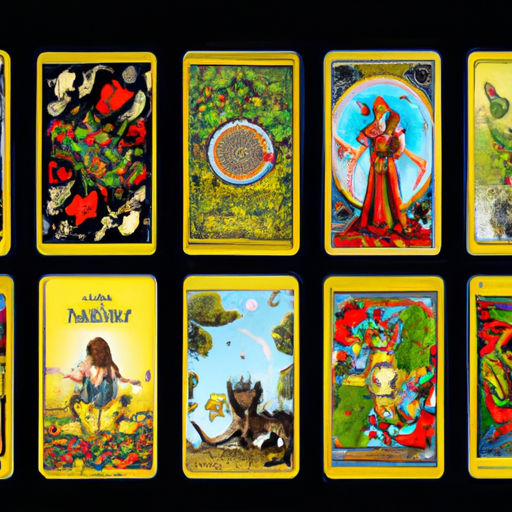

History of Tarot Cards
Tarot cards have a rich and fascinating history that stretches back centuries. These mystical cards, often associated with divination and fortune-telling, have had a significant impact on various cultures around the world. In this article, we will explore the origins of tarot cards and their evolution through time.
Early Origins of Tarot Cards
The exact origins of tarot cards remain shrouded in mystery, with several theories surrounding their early beginnings. One popular belief traces their roots back to ancient Egypt, where they were allegedly used for spiritual and mystical practices. However, there is limited evidence to support this claim, and it remains highly debated among historians.
Development in Medieval Europe
The tarot cards, as we know them today, began to take shape during the medieval period in Europe. They were initially used as playing cards, known as "tarocchi," in various card games popular among the upper classes. These early decks consisted of four suits, similar to today's playing cards, but also included additional trump cards.
Tarot Cards and Divination Practices
It was not until the 18th century that tarot cards became closely associated with divination practices. This shift in perception led to the creation of new decks specifically designed for fortune-telling. These decks often featured intricate and symbolic imagery, which would later become the foundation of tarot card reading.
Symbolism and Design of Tarot Cards
Major Arcana and Minor Arcana
Tarot cards are divided into two main sections: the Major Arcana and the Minor Arcana. The Major Arcana consists of 22 cards, each representing a significant life event or archetypal energy. These cards hold immense spiritual and transformative power, symbolizing the journey of the soul through various stages of life.
The Minor Arcana, on the other hand, is made up of 56 cards divided into four suits: Cups, Swords, Wands, and Pentacles. Each suit corresponds to a different element and represents different aspects of human experience, such as emotions, thoughts, actions, and material wealth.
Symbolic Imagery in Tarot Cards
One of the most intriguing aspects of tarot cards is the symbolic imagery present on each card. These images are carefully designed to convey specific meanings and interpretations. For example, the Fool card typically depicts a person embarking on a new journey, representing innocence, spontaneity, and taking risks.
Similarly, the High Priestess card often shows a mysterious woman seated between two pillars, symbolizing intuition, hidden knowledge, and the subconscious mind. Each card in the deck holds its own unique symbolism, allowing for deep and nuanced interpretations during readings.
Artistic Influences on Tarot Card Designs
Throughout history, various artistic movements and styles have influenced the design of tarot cards. From the detailed Renaissance illustrations seen in the Tarot de Marseille to the more abstract and esoteric imagery of the Crowley-Harris Thoth Tarot Deck, art has played a crucial role in the evolution of tarot card design.
The Rider-Waite Tarot Deck, created in the early 20th century, is one of the most popular tarot decks in the world. Its artwork, created by Pamela Colman Smith and guided by Arthur Edward Waite, introduced a new level of symbolism and imagery to tarot cards. The deck's vibrant colors and intricate details have since become iconic in the tarot community.
Geographical Origins of Tarot Cards
Theories on Tarot Card Origins
Despite ongoing debates, there are three main theories regarding the geographical origins of tarot cards. These theories propose that tarot cards either originated in Egypt, China, or India. Each theory presents unique arguments and evidence, but a definitive answer still eludes historians.
Possible Origins in Egypt
One theory suggests that tarot cards have their roots in ancient Egypt. Some believe that the symbolic imagery found in tarot decks, such as the Egyptian god figures and hieroglyphs, points to an Egyptian origin. However, the lack of substantial historical records makes it difficult to establish a concrete connection between tarot cards and ancient Egypt.
Claims of Tarot Cards from China or India
Another theory posits that tarot cards may have originated in either China or India. Advocates of this theory argue that the introduction of playing cards to Europe during the Middle Ages could be attributed to trade relations with these regions. However, the absence of concrete evidence makes it challenging to determine the authenticity of these claims.

Tarot Cards in European Culture
Spread of Tarot Card Usage in Europe
Tarot cards gained widespread popularity and usage across Europe during the 18th and 19th centuries. Initially associated with the aristocracy, these cards eventually reached a broader audience, including the middle and lower classes. This accessibility contributed to the democratization of tarot as a divinatory and spiritual practice.
Tarot Cards and Renaissance Italy
Italy, particularly Renaissance-era Milan, played a significant role in the development and dissemination of tarot cards. Many of the early tarot decks were produced in Italy, such as the Visconti-Sforza Tarot Deck, with their intricate hand-painted designs. These decks were highly sought-after and collected by Italian nobility.
Significance of Tarot Cards in France and England
Tarot cards later made their way to France, where they became a popular pastime among the upper classes. The French also played a crucial role in refining and standardizing the design and meanings of the tarot deck. This influence extended to England, which subsequently developed its own unique tarot traditions and interpretations.
Popular Tarot Card Decks
Rider-Waite Tarot Deck
The Rider-Waite Tarot Deck, created in 1909, remains one of the most widely recognized and used tarot decks today. With its vibrant illustrations and rich symbolism, this deck offers a comprehensive and accessible approach to tarot card reading. It has served as the foundation for many subsequent tarot decks, influencing countless interpretations and guidebooks.
Tarot de Marseille
The Tarot de Marseille is another historically significant tarot deck known for its simple and elegant design. Originating in the 16th century, this deck features distinctive artwork characterized by bold, primary colors and intricate line work. It continues to be widely used in French-speaking countries and is favored by traditional tarot enthusiasts.
Crowley-Harris Thoth Tarot Deck
Designed by Aleister Crowley and painted by Lady Frieda Harris in the early 20th century, the Crowley-Harris Thoth Tarot Deck is renowned for its esoteric symbolism and occult influences. This deck delves deep into the realms of mysticism and spirituality, appealing to those seeking a more mystical approach to tarot card reading.
Tarot Cards in Divination and Fortune-Telling
Methods of Tarot Card Divination
There are various methods of tarot card divination, each offering its own unique approach and techniques. The most common method involves shuffling the deck while focusing on a question or situation, then selecting cards from the deck in a specific pattern or spread. The position and symbolism of each card in the spread contribute to the overall interpretation.
Interpreting Tarot Card Readings
Interpreting tarot card readings requires a combination of intuition, knowledge of the card meanings, and an understanding of the unique context of the reading. Each card's symbolism, as well as its position in the spread and the relationship between cards, contributes to the overall message conveyed by the reading.
Psychological and Spiritual Applications
Beyond divination and fortune-telling, tarot cards have also found applications in psychology and personal growth. Many individuals use tarot cards as a tool for self-reflection and introspection, seeking insights into their emotions, thoughts, and behaviors. The archetypal symbolism portrayed in the cards can help individuals explore subconscious patterns and gain a deeper understanding of themselves.
Tarot Cards in Modern Occultism
Tarot Cards and Western Esotericism
Tarot cards hold a significant place in Western esoteric traditions. They have been embraced by various occult orders and secret societies, such as the Hermetic Order of the Golden Dawn and the Thelema movement. These organizations view tarot as a tool for spiritual and magical practices, aligning its symbolism with their respective systems of belief.
Influence of Tarot Cards on New Age Movements
In the 20th century, tarot cards became closely associated with the New Age movement, which emphasized spirituality, personal growth, and alternative beliefs. Tarot decks and readings gained popularity as tools for self-discovery, spiritual guidance, and manifestation practices. Today, many New Age practitioners incorporate tarot into their holistic and metaphysical practices.
Tarot Cards in Contemporary Witchcraft Practices
Tarot cards have become an integral part of contemporary witchcraft and pagan practices. Many modern witches incorporate tarot readings into their rituals and spellwork, using the insight gained from the cards to guide their magical workings. Tarot decks with witchcraft or pagan themes have been created specifically to cater to this growing community.
Cultural Influences on Tarot Cards
Tarot Cards and Christianity
The use of tarot cards has occasionally been met with opposition from Christian religious groups. Some view it as a form of divination or occultism, which conflicts with their religious beliefs. However, others argue that tarot cards can be seen as a tool for personal reflection and spiritual exploration, independent of any religious connotations.
Tarot Cards in Jewish Mysticism
In Jewish mysticism, tarot cards have been associated with the Kabbalah, a mystical tradition within Judaism. The Tree of Life, a central symbol in the Kabbalah, finds parallels in the structure and symbolism of the tarot. Some practitioners of Jewish mysticism incorporate the use of tarot cards as a means to gain insights into the divine and the self.
Eastern Philosophies and Tarot Card Interpretations
As tarot cards have spread across the globe, they have been interpreted through the lens of various Eastern philosophies. The incorporation of Eastern symbolism and philosophies into tarot decks has created new dimensions in understanding and interpreting the cards. This fusion of cultures has brought fresh perspectives and expanded the tarot's symbolic language.
Controversies Surrounding Tarot Cards
Religious Opposition to Tarot Card Usage
The use of tarot cards has faced opposition from some religious groups who view them as tools of divination or even demonic in nature. This opposition stems from religious doctrines that condemn practices not in alignment with specific religious beliefs. As a result, tarot cards have often been associated with witchcraft, occultism, and superstition.
Misconceptions and Stereotypes
Tarot cards are surrounded by numerous misconceptions and stereotypes perpetuated by popular media and cultural associations. They are often portrayed as tools of fortune-telling used by charlatans and frauds. These stereotypes fail to acknowledge the depth and complexity of tarot as a spiritual and psychological tool.
Debunking Psychic Claims and Superstitions
Tarot cards have also been linked to psychic claims and superstitions. Some individuals promote the idea that tarot readings can predict the future with absolute certainty. However, it is important to approach tarot with a healthy skepticism and recognize that it is not a definitive tool for predicting future events. Rather, tarot provides guidance and insights based on the reader's interpretation.
Conclusion
The origins of tarot cards remain elusive, with various theories and debates surrounding their geographical and historical origins. Nevertheless, it is undeniable that tarot cards have left a lasting impact on numerous cultures and have become a versatile tool for divination, spiritual growth, and self-reflection. As the popularity of tarot continues to grow, it is important to approach it with an open mind, understanding its rich history, and appreciating the symbolism that resonates with each individual. Whether used for personal exploration or as part of a larger spiritual practice, tarot cards offer a profound and introspective journey into the depths of the human experience.

Comments
Post a Comment